Rwanda’s history is best understood on the ground: at the memorials that record the 1994 Genocide against the Tutsi, and at the museums that explain the kingdom, colonial rule and the country’s recovery. This guide covers the sites most visitors can reach from Kigali, Nyanza, Huye, Musanze and Lake Kivu, with the practical details published for 2026.
Fees and hours below come from the Rwanda Cultural Heritage Academy, the Kigali Genocide Memorial and the Rwanda Development Board. Check them again close to your visit, especially around public holidays.
Before you go: hours, Umuganda and commemoration
- National museums open 9:00–17:00 daily. On the last Saturday of the month (Umuganda community work), they open from 12:00. They close on 7 April, 25 December and 1 January (Rwanda Cultural Heritage Academy).
- Kwibuka, the national commemoration, begins on 7 April. Expect closures and a quieter, more formal atmosphere in the following weeks. Visiting memorials during this period is possible, but plan with respect for ceremonies.
- Memorial etiquette: dress modestly, keep your voice low and follow photography rules at each site. Some sites contain human remains and personal belongings; guides will explain what is appropriate.
UNESCO-listed genocide memorials
In 2023, UNESCO inscribed four sites together on the World Heritage List as the Memorial sites of the Genocide: Nyamata, Murambi, Gisozi and Bisesero.
Kigali Genocide Memorial (Gisozi)
The memorial in Gisozi, Kigali, is the resting place of 250,000 victims and the main introduction to the history of the genocide for most visitors. Entry is free. An optional audio guide is offered for a fee.
According to the memorial’s visitor information, it opens 9:00–17:00 with last entry at 16:00. On Umuganda Saturdays it opens 13:00–17:00. It closes on 25 December, 1 January and the morning of 7 April. Allow at least two hours; many visitors need time afterwards in the gardens.
Nyamata and Ntarama (Bugesera)
The former churches at Nyamata and Ntarama, about an hour south of Kigali, are among the most difficult places to visit in Rwanda. Clothing and belongings of people killed there are kept on site. Nyamata is part of the UNESCO listing. Visiting both in a half-day trip from Kigali is common.
Murambi (Nyamagabe)
Murambi, in the Southern Province, was a technical school where tens of thousands of people were killed. It is often combined with Huye or with a drive towards Nyungwe National Park.
Bisesero (Karongi)
Bisesero, in the hills above Lake Kivu, remembers the people who resisted attackers for weeks in 1994. It is part of the UNESCO listing and fits a Karongi (Kibuye) stay; see our Lake Kivu guide.
National museums and published entry fees
The Rwanda Cultural Heritage Academy lists the following adult international fees, checked 4 November 2026. Confirm your visitor category and the current charge before paying:
| Museum | Location | Adult international fee |
|---|---|---|
| King’s Palace Museum (Rukari) | Nyanza | RWF 20,000 |
| Campaign Against Genocide Museum | Parliament, Kigali | RWF 20,000 |
| Ethnographic Museum | Huye | RWF 15,000 |
| Kandt House Museum | Kigali | RWF 15,000 |
| Rwanda Art Museum | Kanombe, Kigali | RWF 15,000 |
| National Liberation Museum | Mulindi, Gicumbi | RWF 12,000 |
| Kwigira Museum (formerly Rwesero Art Museum) | Nyanza | RWF 10,000 |
| Environment Museum | Karongi | RWF 10,000 |
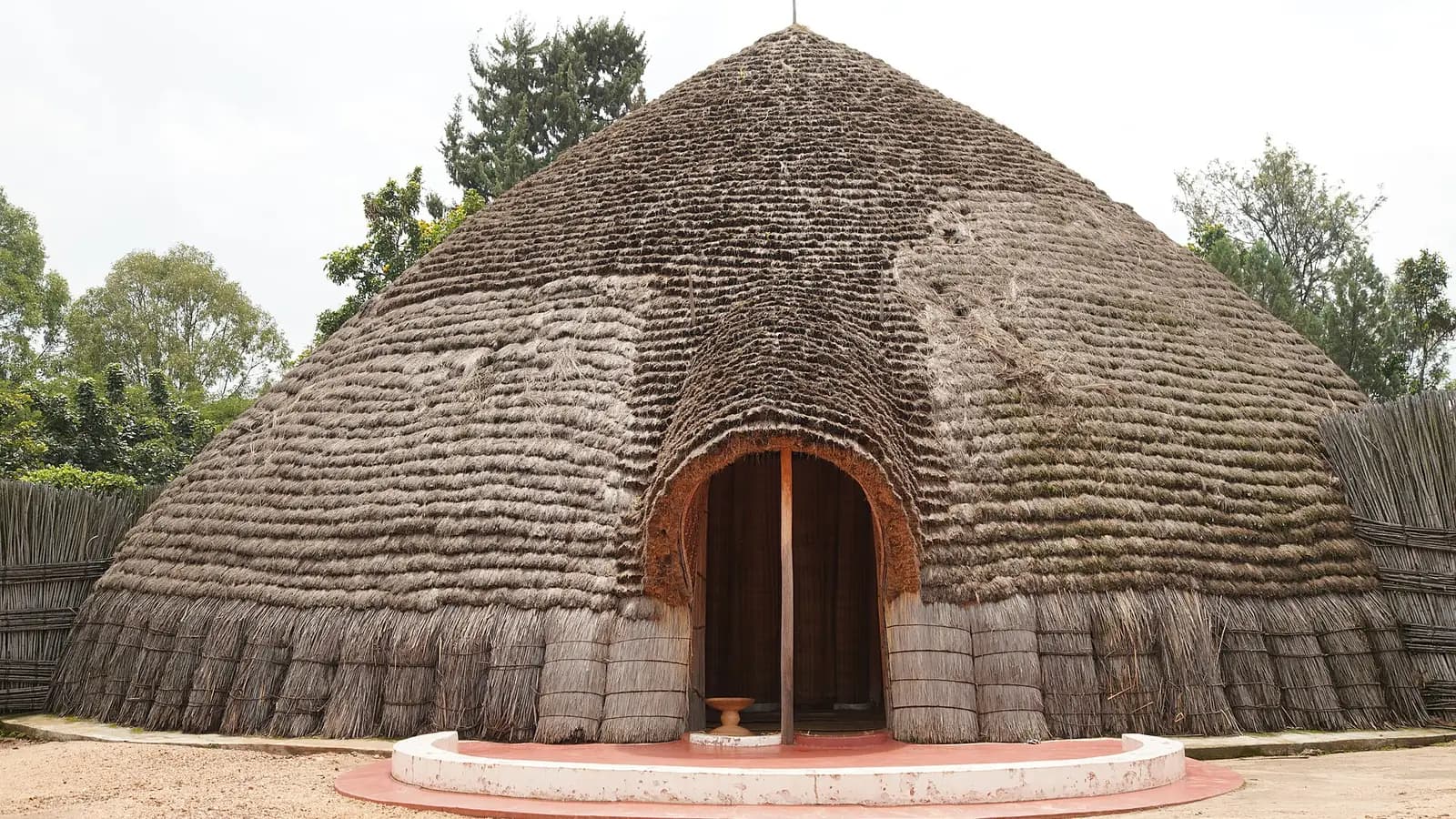
King’s Palace Museum, Nyanza
Nyanza was the royal capital. Visit Rwanda's Nyanza guide describes the reconstructed thatched residence and long-horned royal cattle. Pair the palace with the nearby Kwigira Museum if that fits your pace and the opening arrangements.
Ethnographic Museum, Huye
This is Rwanda’s main museum of traditional life, with galleries on agriculture, hunting, crafts, architecture, dress and music. Huye is about two and a half hours south of Kigali, and the museum fits on the way to Nyungwe or Murambi.
Kigali museums
- Campaign Against Genocide Museum in the Parliament building explains the 1990–1994 military campaign and how the genocide was stopped.
- Kandt House Museum sits in the house of Richard Kandt, an early German colonial official, and covers Kigali’s early history.
- Rwanda Art Museum occupies the former presidential palace in Kanombe, renamed in 2018, and shows contemporary and historical Rwandan art. Ask on arrival which parts of the grounds are open.
National Liberation Museum, Mulindi
North of Kigali in Gicumbi District, this site was the Rwandan Patriotic Front’s headquarters during the liberation war. It suits visitors interested in modern political history and pairs with a drive through tea-growing hills.
Musanze Caves
The lava-tube caves near Musanze are about two kilometres long. Visit Rwanda's caving guidance describes their historical significance and says access is limited to guided tours. The Rwanda Development Board permit portal lists a fee of US$50 for foreign visitors and US$30 for foreign residents of Rwanda; children under 12 are not allowed inside. Wear shoes with grip and follow the guide's instructions.
Suggested routes
- Kigali, one to two days: Kigali Genocide Memorial, Campaign Against Genocide Museum and Kandt House, then Nyamata and Ntarama as a half-day trip.
- Southern heritage, two days: Nyanza (King’s Palace and Kwigira) and Huye (Ethnographic Museum), with Murambi on the way to Nyungwe.
- West and north: Bisesero and the Environment Museum from Karongi, then Musanze Caves on the road to Volcanoes National Park.
Entry arrangements are separate
Museum tickets and memorial visits do not affect your entry permission. Rwanda offers visa on arrival to citizens of all countries, and some passports receive a fee waiver. Use the visa-on-arrival guide and your passport guide before deciding whether to apply online in advance.